
Expedition Yellowstone
At Logan, Environmental Education is about more than getting students outside. It is about giving them meaningful opportunities to investigate the natural world, build practical skills to understand their place within the ecosystems they are exploring.
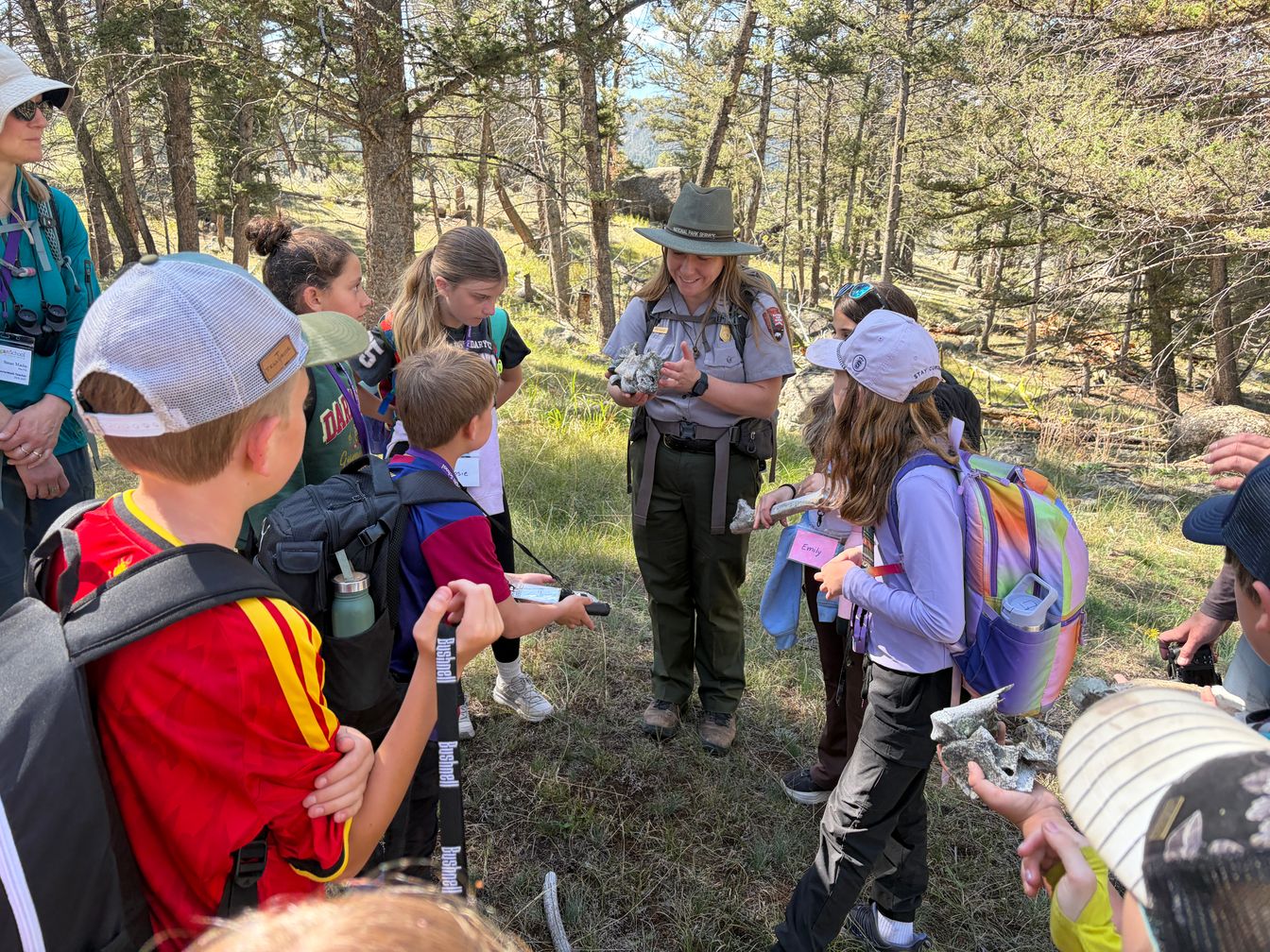
This fall, one Logan class put that approach into practice during a five-day trip Yellowstone National Park. Their week brought together geology, ecology, wildlife, history, outdoor living, and plenty of moments that could never have been planned in advance!
Science Comes Alive in the Field
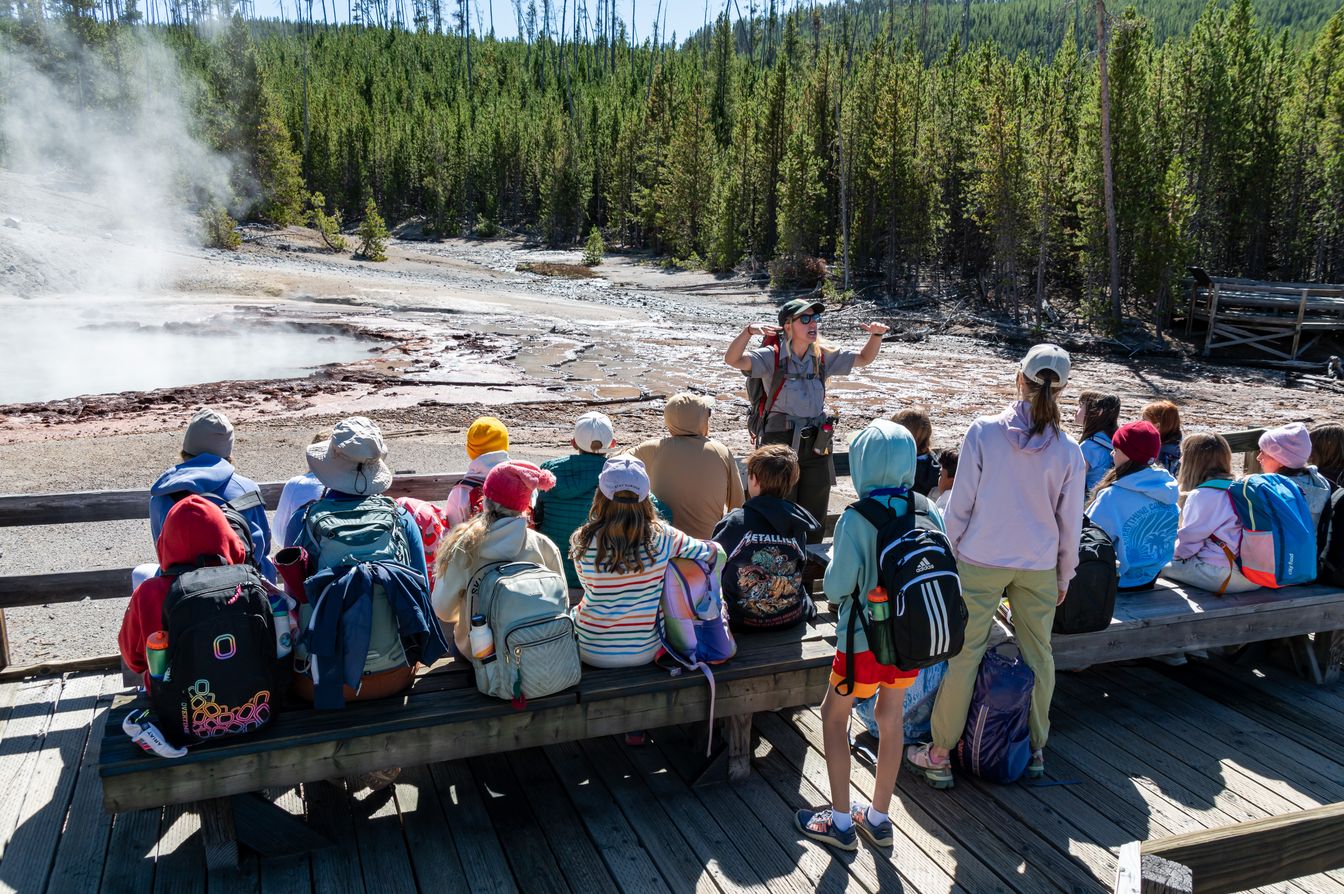
Students got to study geological and ecological concepts in a place where those processes were actually happening in real time.
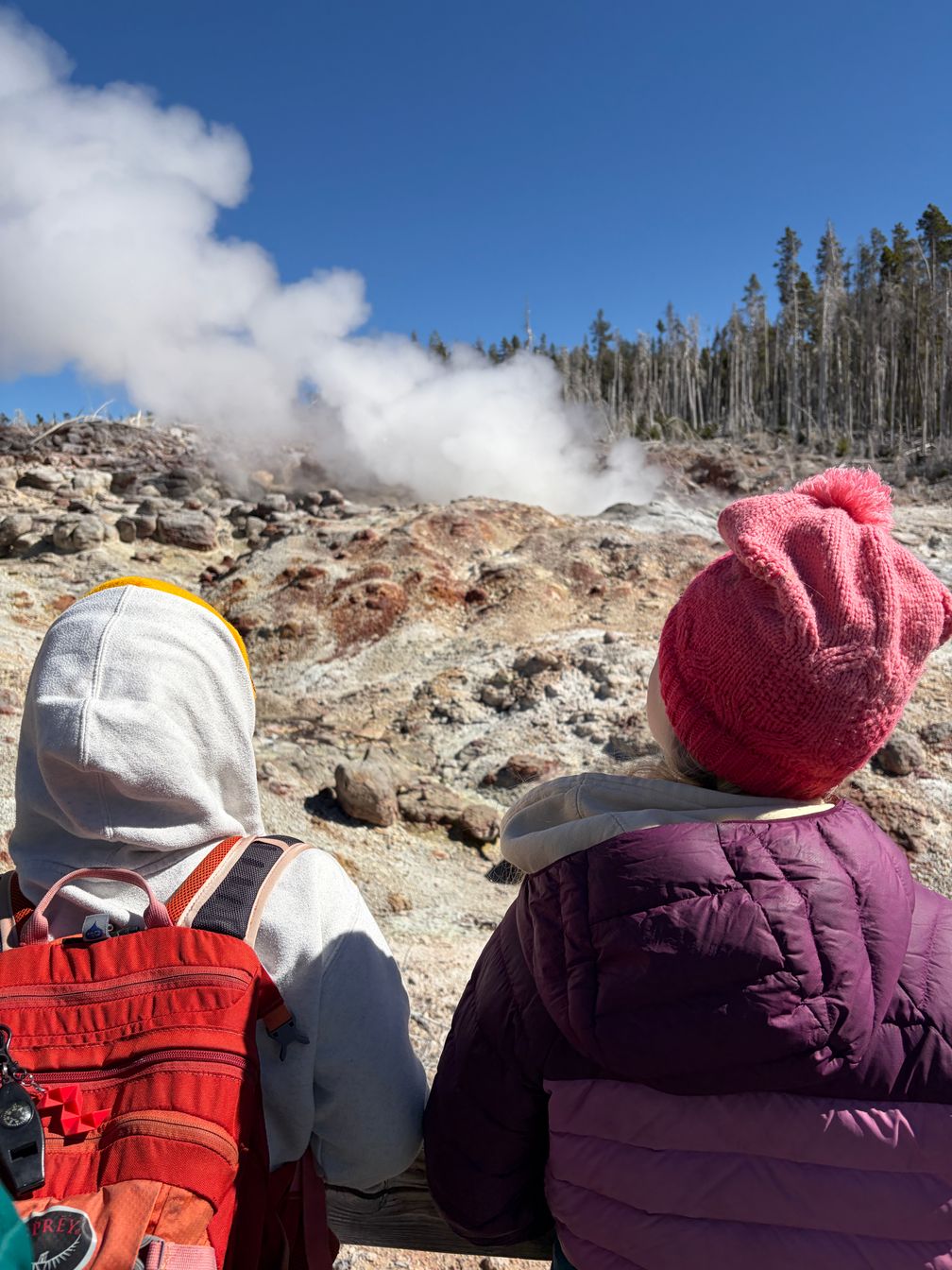
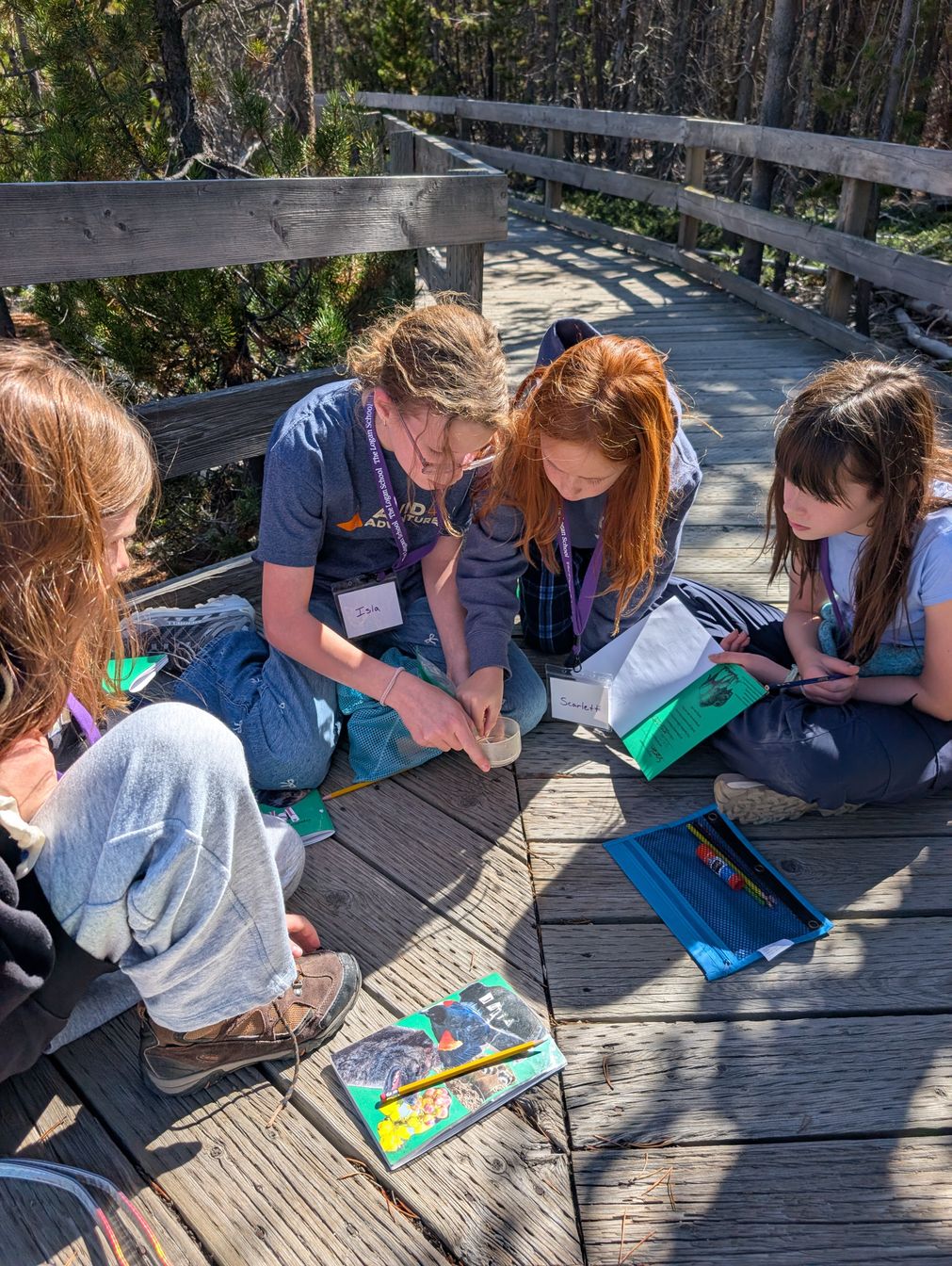
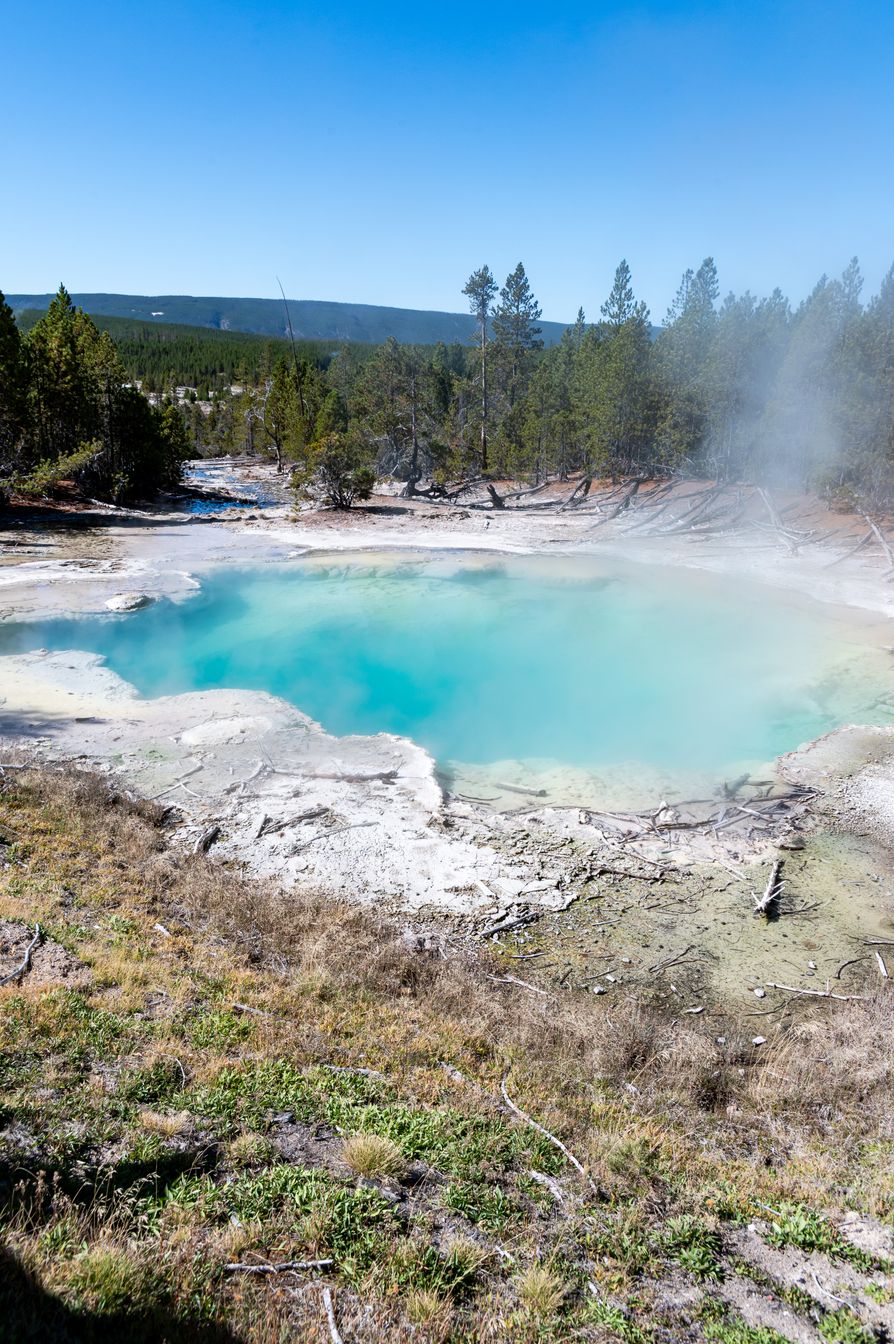
At Norris Geyser Basin and Mammoth Hot Springs, students explored the parks famous geothermal features and learned about thermophiles, organisms that survive in extreme environments. They took field notes, measured water temperatures and pH levels, and observed microbial communities in the landscape around them.
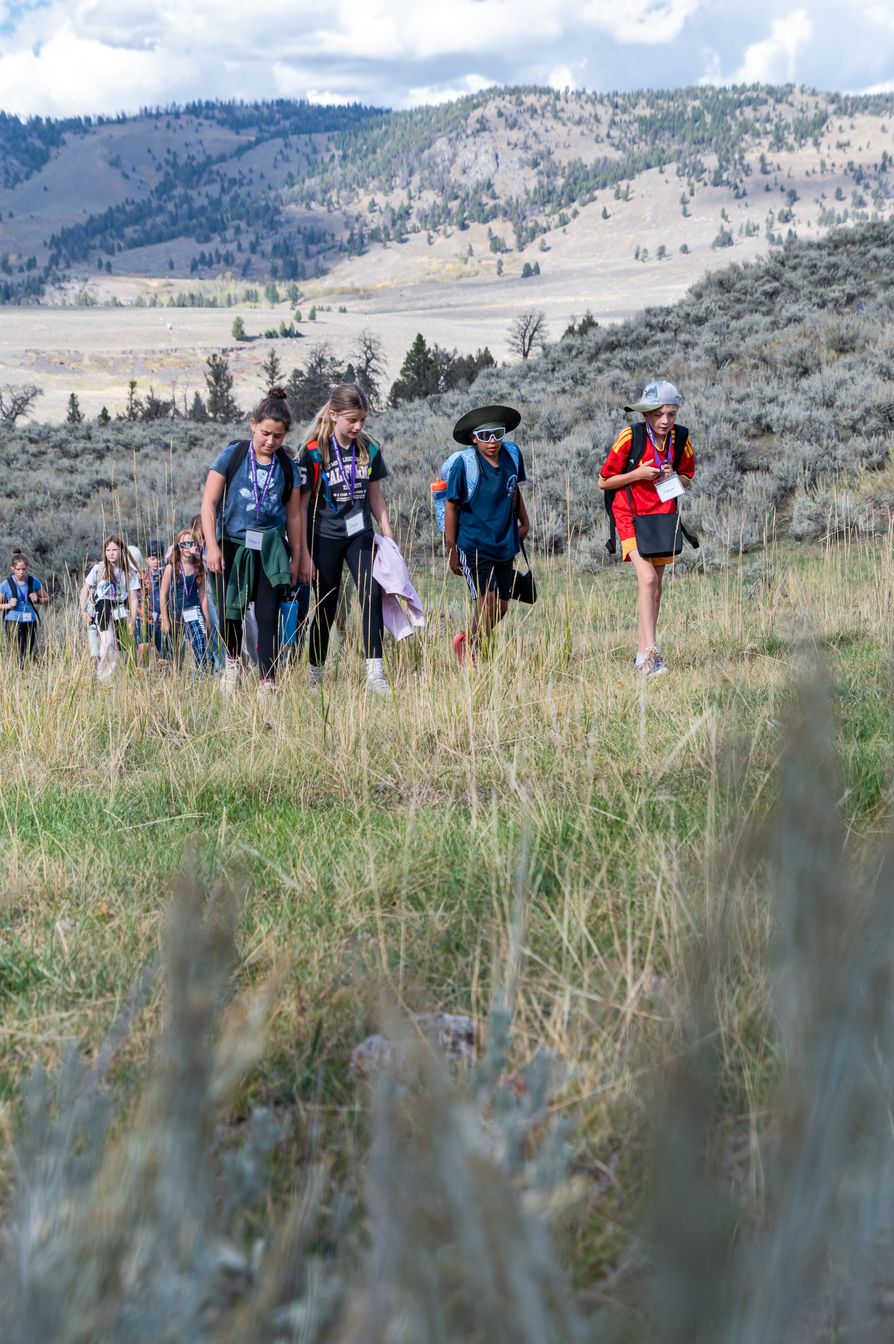
The focus shifted from geology to ecology during a backcountry hike around Tower Junction Butte, where they investigated relationships between organisms and their environment, encountered bison skulls, and experienced an unexpected close encounter with a curious pronghorn.
Students also participated in Wapiti, an interactive ecology game that explored limiting factors, carrying capacity, and predator-prey relationships. By experiencing these concepts rather than simply defining them, students could see how changes in an environment affect animal populations and the balance of an ecosystem.
The Great Outdoors as Classroom
Environmental Education also asks students to practice skills that are challenging to develop theoretically.
On EE trips, students cook, manage responsibilities at their cabins, keep field notes, navigate long days of exploration, and work through the everyday challenges that come with living closely together with their peers and being away from home.
These experiences create opportunities to build relational skills like independence, communication, problem-solving, and responsibility in real time.
There is a different kind of learning that happens when students are responsible for more than fixed assignments. They have to figure out how to contribute to a group and adapt when plans change. They also need to take care of themselves, their classmates, and the places they are visiting.
Understanding Our Connection to the Natural World
The students' learning extended beyond the science of the landscape to the ways humans have shaped it.
An evening program on the history of the fur trade introduced students to the ecological and historical importance of beavers in Yellowstone. The following day, they explored how human activity has influenced animal populations and how the removal or reintroduction of a single species can create ripple effects throughout an ecosystem.
These experiences help students see the natural environment as an interconnected system rather than a collection of individual plants, animals, and geological features.
That perspective is an important part of Environmental Education at Logan. The goal is not simply to take students somewhere beautiful and have them passively observe. It is to help them become attentive and thoughtful participants in the environments they encounter whether indoors or outdoors.
Sometimes the Best Lessons Are Unplanned
And sometimes, Yellowstone gets a vote.
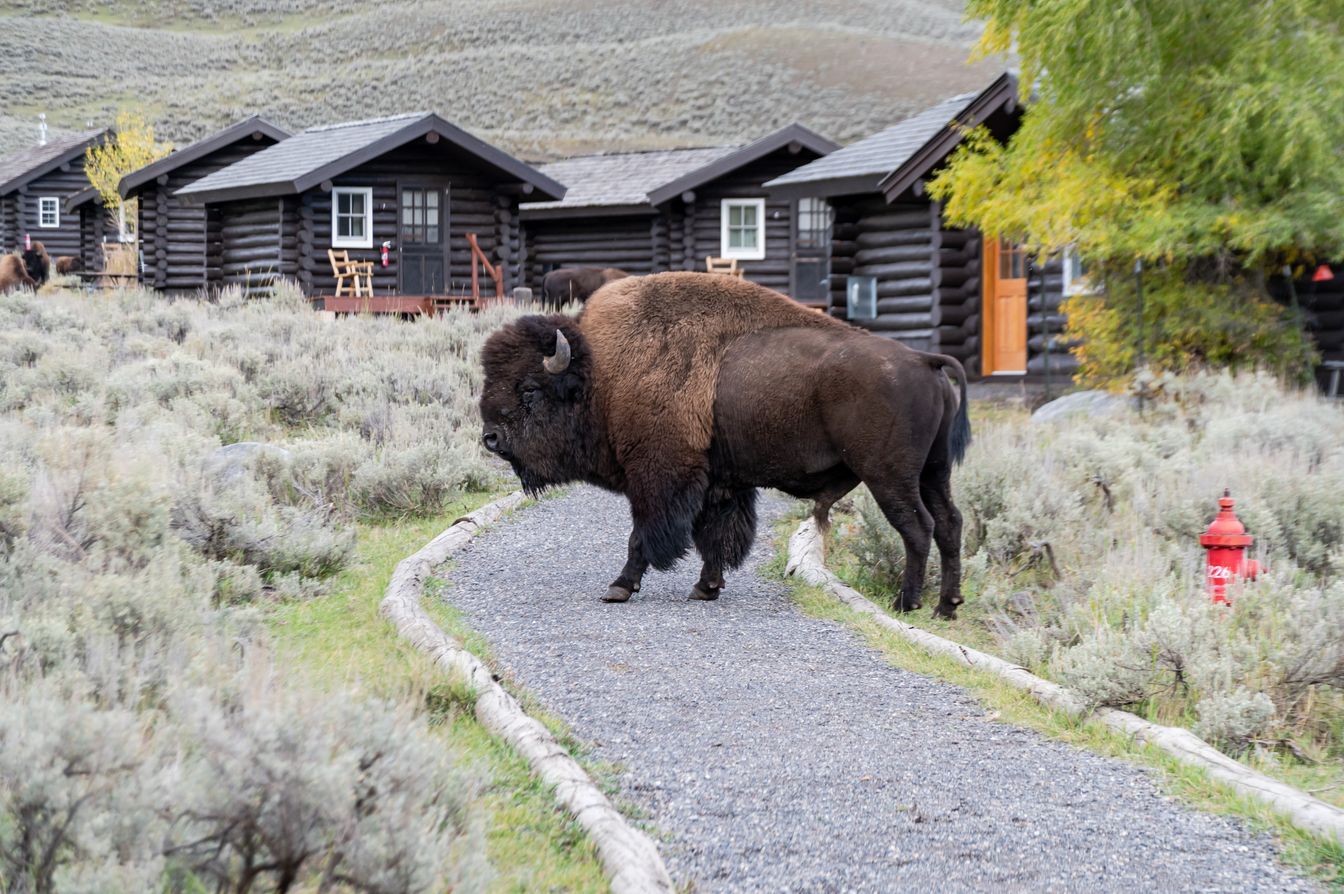
On the final evening, as part of tradition on our overnights, students celebrate the trip week around a campfire. This time, a herd of bison settled in around the cabins and campfire area. The celebration moved indoors, because giving wildlife its space was non negotiable! It will be no doubt be long remembered, and, a reminder that when we are not in complete control of the environment. We have to pay attention, adapt, and respect the world around us.
More Than a Trip
By the end of the week, students had added new scientific knowledge and outdoor skills to their experience. They had also practiced independence and navigated challenges together.
That is the value of Environmental Education at Logan. The outdoors becomes both the classroom and the subject of study, providing students with opportunities to develop a deeper understanding of their relationship to the world and stewardship of the outdoors.
Yellowstone was one class's experience this fall. Across Logan, other students are heading out on their own other trips, exploring different places and pursuing different questions.
The destinations change. The opportunity to step outside, get curious, and discover something new is a constant.
Read more Blogs


Accredited by:


Proud member of:


Follow us at:


